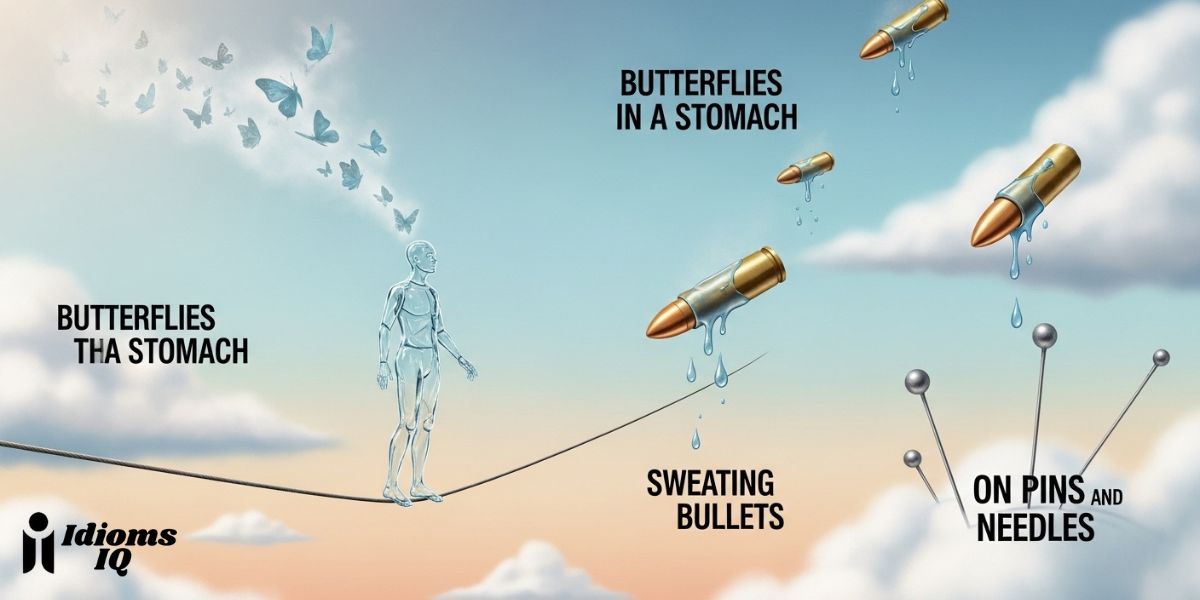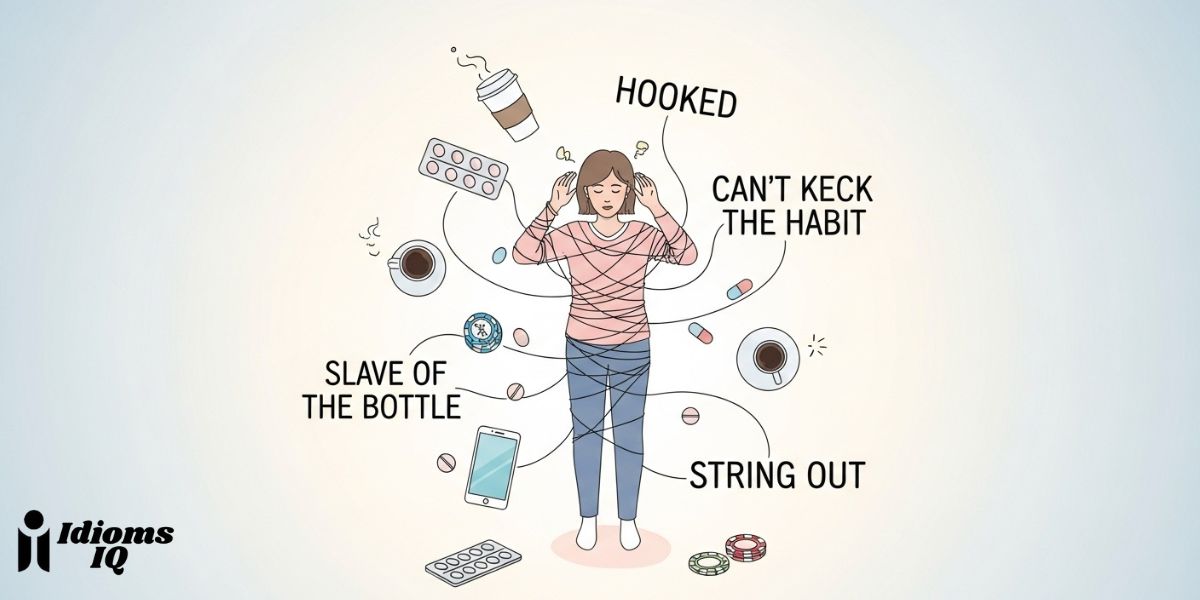

Idioms are the colorful threads that weave through the fabric of language, turning ordinary conversations into rich tapestries of meaning. They are phrases where the words together have a different meaning than the literal interpretation, acting as a kind of linguistic shorthand that connects us to shared cultural understanding. Think of them as small parables or nuggets of wisdom passed down through generations.
By exploring idioms, we don’t just learn new vocabulary; we unlock a deeper understanding of life itself. These expressions can beautifully articulate complex emotions, clarify intricate situations, and offer a fresh perspective on everyday experiences. They challenge us to think beyond the surface, to see the poetry in the mundane, and to appreciate the subtle nuances that make communication so powerful and inspiring.
While ‘spill the tea’ is all about gossip, idioms that reflect dedication and persistence show a different side of English. idioms that reflect dedication and persistence
Idioms with Tea
1. Spill the tea
- Meaning: To share gossip or reveal secret information.
- Use in a sentence: “Alright, I’m here. Spill the tea! What happened at the party last night?”
- Other ways to say it: Dish the dirt, give me the scoop, let the cat out of the bag.
2. Not my cup of tea
- Meaning: Not something one enjoys or is interested in.
- Use in a sentence: “I tried watching the new sci-fi show, but it’s just not my cup of tea.”
- Other ways to say it: Not for me, not to my taste, doesn’t float my boat.
3. A storm in a teacup
- Meaning: A lot of unnecessary anger and worry about a matter that is not important.
- Use in a sentence: “Their argument over who should wash the dishes was just a storm in a teacup.”
- Other ways to say it: Making a mountain out of a molehill, a tempest in a teapot.
4. As good as a chocolate teapot
- Meaning: Something that is completely useless.
- Use in a sentence: “His advice on fixing my car was as good as a chocolate teapot.”
- Other ways to say it: Useless, good for nothing, fit for the bin.
5. Tea and sympathy
- Meaning: To offer comfort and sympathy to someone who is upset.
- Use in a sentence: “After her breakup, all she needed was a bit of tea and sympathy from her friends.”
- Other ways to say it: To lend a shoulder to cry on, to console someone, to offer a listening ear.
6. (To be) one’s cup of tea
- Meaning: Something that a person likes or is good at.
- Use in a sentence: “Solving complex puzzles is really his cup of tea.”
- Other ways to say it: Right up my alley, my kind of thing, my jam.
7. Read the tea leaves
- Meaning: To try to predict the future from small signs or clues.
- Use in a sentence: “Reading the tea leaves of the current market, I’d say it’s a good time to invest.”
- Other ways to say it: To see the writing on the wall, to forecast, to predict.
8. Wouldn’t do it for all the tea in China
- Meaning: To refuse to do something for any price or reward.
- Use in a sentence: “You want me to go skydiving? I wouldn’t do it for all the tea in China!”
- Other ways to say it: Not for love nor money, no way on Earth, over my dead body.
9. A tea party
- Meaning: Something that is very easy to do or deal with.
- Use in a sentence: “After weeks of intense training, the final exam felt like a tea party.”
- Other ways to say it: A piece of cake, a walk in the park, a cakewalk.
10. (To be) Rosie Lee

- Meaning: A slang term for a cup of tea, from Cockney rhyming slang (Rosie Lee = tea).
- Use in a sentence: “Fancy a cup of Rosie Lee, mate?”
- Other ways to say it: A cuppa, a brew.
11. To take tea with someone
- Meaning: To have a meeting or a chat with someone, often in a formal or social context.
- Use in a sentence: “I’m scheduled to take tea with the new director this afternoon.”
- Other ways to say it: To meet with, to have a sit-down, to confer with.
12. High tea
- Meaning: A substantial late afternoon or early evening meal, typically including a cooked dish, bread and butter, and tea.
- Use in a sentence: “We were so hungry after the hike that we decided to have high tea at the hotel.”
- Other ways to say it: A hearty meal, an early supper.
13. Builder’s tea
- Meaning: Strong, sweet tea with milk, typically enjoyed by manual laborers.
- Use in a sentence: “Nothing beats a mug of builder’s tea after a long day of gardening.”
- Other ways to say it: Strong tea, a strong brew.
14. Tempest in a teapot
- Meaning: An American English equivalent of “a storm in a teacup.”
- Use in a sentence: “The whole office argument was just a tempest in a teapot.”
- Other ways to say it: A storm in a teacup, a big fuss over nothing.
15. My cup of tea, but…
- Meaning: A way to politely refuse something you don’t like.
- Use in a sentence: “Thanks for the invitation to the opera, but it’s not really my cup of tea.”
- Other ways to say it: I’ll pass, not for me, thanks but no thanks.
16. To tea up
- Meaning: To get ready or prepare for something.
- Use in a sentence: “The team is teeing up for the championship match this weekend.”
- Other ways to say it: To gear up, to prepare, to get set.
17.It’s all gone Pete Tong
- Meaning: A Cockney rhyming slang phrase meaning it has all gone wrong. (Pete Tong = wrong). While not directly about tea, it’s often used in the same cultural context.
- Use in a sentence: “We had a plan, but the sudden rain meant it’s all gone Pete Tong.”
- Other ways to say it: It’s all gone pear-shaped, it’s gone south.
18. Not for all the tea in China
- Meaning: An emphatic way of saying no.
- Use in a sentence: “She wouldn’t sell her grandmother’s ring, not for all the tea in China.”
- Other ways to say it: Under no circumstances, absolutely not.
19. To be the tea-boy/tea-girl
- Meaning: To be the junior person in an office who makes the tea.
- Use in a sentence: “When I first started here, I was the tea-boy for a year.”
- Other ways to say it: The gofer, the junior, the dogsbody.
20. To put the kettle on

- Meaning: A common phrase used to suggest making tea, often as a way to relax or deal with a situation.
- Use in a sentence: “It’s been a long day. I’m just going to go home and put the kettle on.”
- Other ways to say it: Let’s have a brew, time for a cuppa.
21. A watched pot never boils
- Meaning: Time seems to pass more slowly when you are anxiously waiting for something to happen.
- Use in a sentence: “I know you’re waiting for the job offer, but a watched pot never boils. Try to distract yourself.”
- Other ways to say it: Patience is a virtue, good things come to those who wait.
22. That’s the tea
- Meaning: A modern slang term, similar to “spill the tea,” used to confirm that gossip is true or to state a truth.
- Use in a sentence: “He really said that? Wow, that’s the tea.”
- Other ways to say it: That’s the truth, that’s the real story.
23. To warm the pot
- Meaning: To prepare for something, to get things started.
- Use in a sentence: “Let’s warm the pot with a few easy questions before we get into the main discussion.”
- Other ways to say it: To break the ice, to get the ball rolling.
24. Weak as dishwater
- Meaning: Refers to something, often tea or a person’s character, that is weak and lacking substance.
- Use in a sentence: “This tea is weak as dishwater! I need another teabag.”
- Other ways to say it: Watery, feeble, lacking backbone.
25. To stir the pot
- Meaning: To deliberately cause trouble or provoke an argument.
- Use in a sentence: “He loves to stir the pot by bringing up politics at family dinners.”
- Other ways to say it: To make trouble, to rock the boat, to cause a stir.
To have a tea break
- Meaning: To take a short break from work to have a cup of tea.
- Use in a sentence: “Let’s work for another hour and then have a tea break.”
- Other ways to say it: To take five, to have a breather.
27. To be in hot water
- Meaning: To be in trouble or a difficult situation.
- Use in a sentence: “He’s in hot water with his boss for being late again.”
- Other ways to say it: In the doghouse, up the creek without a paddle.
28. To pour oil on troubled waters
- Meaning: To try to calm a difficult or angry situation.
- Use in a sentence: “She’s good at pouring oil on troubled waters when the team disagrees.”
- Other ways to say it: To be a peacemaker, to smooth things over.
29. To be someone’s brew
- Meaning: A more informal way of saying something is to one’s liking.
- Use in a sentence: “This kind of music is totally my brew.”
- Other ways to say it: My kind of thing, my jam.
30. To make the tea

- Meaning: Literally to prepare tea, but can also imply taking on a subservient or caring role.
- Use in a sentence: “In our house, whoever loses the bet has to make the tea for a week.”
- Other ways to say it: To do the honors, to be on tea duty.
31. I’m a little teapot
- Meaning: From the children’s song, it can be used humorously to describe a short, stout person or to act out the song.
- Use in a sentence: “The kids love it when I sing ‘I’m a little teapot’ and do the actions.”
- Other ways to say it: (Usually used in a playful context).
32. To get a taste of your own medicine
- Meaning: To receive the same bad treatment that you have given to others.
- Use in a sentence: “He’s always teasing others, but he didn’t like it when he got a taste of his own medicine.”
- Other ways to say it: The shoe is on the other foot, what goes around comes around.
33. To sugarcoat something
- Meaning: To make something seem more pleasant or less severe than it really is.
- Use in a sentence: “Don’t sugarcoat it, just tell me the bad news.”
- Other ways to say it: To gloss over, to whitewash.
34. To be sweet on someone
- Meaning: To have a romantic affection for someone.
- Use in a sentence: “It’s obvious he’s sweet on her; he can’t stop looking at her.”
- Other ways to say it: To have a crush on, to fancy someone.
35. To be milk and water
- Meaning: To be weak, feeble, and lacking in conviction.
- Use in a sentence: “His speech was all milk and water, with no real substance.”
- Other ways to say it: Wishy-washy, insipid.
36. To cry over spilt milk
- Meaning: To be unhappy about something that has already happened and cannot be changed.
- Use in a sentence: “Yes, you made a mistake, but there’s no use crying over spilt milk.”
- Other ways to say it: It’s water under the bridge, what’s done is done.
37. The land of milk and honey
- Meaning: A place of abundance and prosperity.
- Use in a sentence: “They dreamed of moving to America, the land of milk and honey.”
- Other ways to say it: A paradise, a utopia.
38. To be the cream of the crop
- Meaning: To be the very best of a group.
- Use in a sentence: “The students accepted into this program are truly the cream of the crop.”
- Other ways to say it: The best of the best, the pick of the litter.
39. To have a chip on your shoulder
- Meaning: To seem angry all the time because you think you have been treated unfairly.
- Use in a sentence: “He’s had a chip on his shoulder ever since he was passed over for the promotion.”
- Other ways to say it: To have a grudge, to be resentful.
40. To be a wet blanket

- Meaning: A person who spoils other people’s fun by being negative and complaining.
- Use in a sentence: “Don’t be such a wet blanket, come and join the party!”
- Other ways to say it: A killjoy, a party pooper.
Fill-in-the-Blank Exercise
- I heard you know what happened at the meeting. Come on, ________________!
- Thanks for the invite, but horror movies are really ________________.
- They were arguing for an hour about a five-dollar debt; it was a complete ________________.
- His plan to fix the leaky roof with tape was as good as a ________________.
- After losing her job, she just needed some ________________ from her family.
- I would not go back to that job, not for ________________.
- Based on the dark clouds, I can ________________ and say it’s going to rain.
- Compared to the last project, this one is a ________________.
- He’s always trying to ________________ by bringing up controversial topics.
- I know you’re disappointed about the result, but there’s no use ________________.
- He’s been in ________________ with his parents since he crashed their car.
- Don’t be such a ________________; come and enjoy the celebration with us.
- The new intern is very good; she is clearly the ________________.
- He’s always been ________________ his classmate, but he’s too shy to say anything.
- Stop ________________ it; I need you to be honest with me about the situation.
Answer Key
- spill the tea
- not my cup of tea
- storm in a teacup
- chocolate teapot
- tea and sympathy
- all the tea in China
- read the tea leaves
- tea party
- stir the pot
- crying over spilt milk
- hot water
- wet blanket
- cream of the crop
- sweet on
- Sugarcoating
Conclusion
Embracing idioms is like learning a secret code that enhances our ability to communicate and connect with others. They are more than just quirky phrases; they are windows into the soul of a language and the collective wisdom of a culture. By making a conscious effort to understand and use idioms, we not only enrich our vocabulary but also sharpen our emotional intelligence.
The practice of weaving these expressions into our daily conversations and writing can help us articulate our thoughts more vividly and understand the unspoken feelings of others with greater empathy. Ultimately, idioms empower us to navigate the complexities of life with more grace, humor, and insight.