
Language is a vibrant tapestry woven with threads of meaning, and among its most colorful patterns are idioms. These unique phrases, whose meanings cannot be deduced from the literal definitions of their individual words, offer a fascinating glimpse into the cultural nuances and shared experiences of a community. Idioms are more than just linguistic quirks; they are concentrated capsules of wisdom, emotion, and insight.
By understanding and using idioms, we don’t just expand our vocabulary; we deepen our comprehension of human nature and the world around us. They can transform ordinary conversations into engaging dialogues, inject humor or gravitas into our writing, and inspire us to think more abstractly. Embracing idioms allows us to articulate complex emotions or situations with precision and flair, fostering a richer, more empathetic connection with others and a clearer understanding of life’s intricate tapestry. The opposite of boring is creativity.
If you’re tired of dull expressions, brighten up your speech with these idioms for creativity that celebrate originality and imagination.
Idioms for Boring
Here are 30 idioms that convey various aspects of “boring,” from being dull and uninteresting to being tedious and monotonous.
1. Dull as Dishwater
- Meaning: Extremely boring, uninteresting, or unexciting.
- Use in a sentence: The lecture was so dull as dishwater that half the students fell asleep.
- Other ways to say it: Tedious, uninspired, uninteresting, monotonous, bland.
2. Watch Paint Dry
- Meaning: To describe something as extremely boring or uneventful, implying it’s as unstimulating as watching a slow, static process.
- Use in a sentence: Listening to him explain his tax deductions is like watching paint dry.
- Other ways to say it: Mind-numbing, incredibly tedious, excruciatingly dull, very slow.
3. A Snooze-fest
- Meaning: An event, activity, or situation that is extremely boring and makes one want to sleep.
- Use in a sentence: The new movie was a total snooze-fest; I almost walked out.
- Other ways to say it: Very boring, unexciting, uninteresting, a bore, a dull affair.
4. Dry as Dust
- Meaning: Extremely boring, uninteresting, or lacking in vitality, often referring to information or writing.
- Use in a sentence: The history textbook was so dry as dust that it was hard to stay focused.
- Other ways to say it: Arid, unengaging, lifeless, tedious, unstimulating.
5. Like Watching Grass Grow
- Meaning: To describe something as extremely slow, uneventful, and boring.
- Use in a sentence: The committee meeting felt like watching grass grow; nothing ever got decided.
- Other ways to say it: Painfully slow, incredibly dull, monotonous, uneventful.
6. Old Hat
- Meaning: Something that is very familiar, unoriginal, or no longer new or interesting.
- Use in a sentence: His jokes are getting a bit old hat; he needs some new material.
- Other ways to say it: Outdated, unoriginal, commonplace, stale, uninspired.
7. Same Old, Same Old
- Meaning: A phrase used to describe a situation that is unvarying, predictable, and therefore boring.
- Use in a sentence: “How was your day?” “Oh, just the same old, same old.”
- Other ways to say it: Routine, monotonous, unexciting, predictable, humdrum.
8. Run-of-the-Mill
- Meaning: Ordinary, average, or unexceptional; not special or exciting.
- Use in a sentence: The restaurant was pretty run-of-the-mill; nothing stood out.
- Other ways to say it: Ordinary, average, typical, mediocre, unremarkable.
9. Ho-Hum
- Meaning: Uninteresting, dull, or unexciting; used to express boredom or indifference.
- Use in a sentence: Another Tuesday morning, another ho-hum commute.
- Other ways to say it: Mundane, uninspired, commonplace, unremarkable, tedious.
10. A Drag
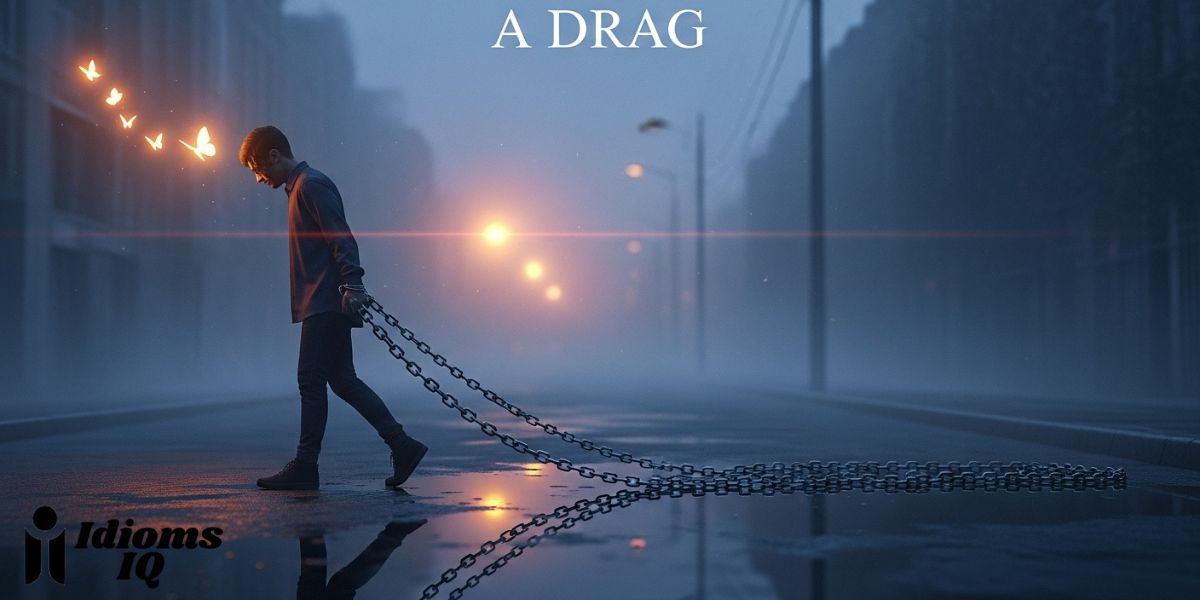
- Meaning: Something that is boring, tedious, or unpleasant.
- Use in a sentence: Doing all that paperwork was a real drag.
- Other ways to say it: A chore, a burden, tedious, unpleasant, tiresome.
11. A Chore
- Meaning: A task that is tedious, unpleasant, or difficult to do.
- Use in a sentence: For him, cleaning the house is always a huge chore.
- Other ways to say it: A burden, a drag, a tedious task, an ordeal.
12. Monotonous
- Meaning: Lacking in variety and interest; tediously unvarying.
- Use in a sentence: The factory work was incredibly monotonous, repeating the same action all day.
- Other ways to say it: Repetitive, unvarying, tedious, dull, uniform.
13. Tedious
- Meaning: Too long, slow, or dull; tiresome or monotonous.
- Use in a sentence: The process of manually entering data was incredibly tedious.
- Other ways to say it: Boring, monotonous, tiresome, wearisome, dull.
14. Uninspired
- Meaning: Lacking in originality, imagination, or enthusiasm; dull.
- Use in a sentence: The chef’s latest menu was rather uninspired compared to his previous creations.
- Other ways to say it: Unimaginative, bland, dull, ordinary, commonplace.
15. Lackluster
- Meaning: Lacking in vitality, force, or conviction; uninspired or dull.
- Use in a sentence: The team gave a lackluster performance and lost the game easily.
- Other ways to say it: Dull, uninspired, flat, mediocre, unenthusiastic.
16. Vanilla
- Meaning: Plain, ordinary, or unexciting; lacking in distinctive features or special qualities.
- Use in a sentence: His presentation was a bit vanilla; he could have added more visuals.
- Other ways to say it: Plain, bland, ordinary, unexciting, basic.
17. Nothing to Write Home About
- Meaning: Not particularly special, impressive, or exciting; mediocre.
- Use in a sentence: The vacation was okay, but honestly, it was nothing to write home about.
- Other ways to say it: Unremarkable, average, ordinary, mediocre, not noteworthy.
18. A Yawn
- Meaning: Something that is extremely boring or tiresome.
- Use in a sentence: That documentary was a real yawn; I kept checking my watch.
- Other ways to say it: A bore, a snooze-fest, very dull, uninteresting.
19. A Bore
- Meaning: A person or thing that is dull and uninteresting.
- Use in a sentence: The party turned into a bit of a bore after everyone left early.
- Other ways to say it: A dullard, a tedious person/thing, uninteresting.
20. Dead in the Water

- Meaning: Making no progress; having failed and unable to recover or continue.
- Use in a sentence: Without new funding, the project is dead in the water.
- Other ways to say it: Stalled, failed, defunct, stagnant, going nowhere.
21. Going Nowhere Fast
- Meaning: Making very little or no progress, despite effort; stagnant.
- Use in a sentence: His career felt like it was going nowhere fast until he changed industries.
- Other ways to say it: Stagnant, unproductive, unmoving, making no headway.
22. Predictable
- Meaning: Able to be foreseen or predicted; unoriginal and therefore boring.
- Use in a sentence: The plot of the movie was so predictable that I knew the ending from the start.
- Other ways to say it: Foreseeable, obvious, unsurprising, unoriginal, formulaic.
23. Unexciting
- Meaning: Not causing any excitement or interest.
- Use in a sentence: The small town offered a rather unexciting nightlife.
- Other ways to say it: Dull, boring, uninteresting, bland, ordinary.
24. Dreary
- Meaning: Dull, bleak, and depressing; uninteresting.
- Use in a sentence: The long, rainy winter days were particularly dreary.
- Other ways to say it: Gloomy, dismal, bleak, dull, depressing.
25. Humdrum
- Meaning: Lacking excitement or variety; monotonous; dull.
- Use in a sentence: She was tired of her humdrum routine and wanted an adventure.
- Other ways to say it: Monotonous, routine, ordinary, dull, unexciting.
26. Mundane
- Meaning: Lacking interest or excitement; dull.
- Use in a sentence: He found the everyday tasks of office work rather mundane.
- Other ways to say it: Ordinary, routine, commonplace, dull, unexciting.
27. Routine
- Meaning: Performed as part of a regular procedure rather than for a special reason; often implying a lack of spontaneity or excitement.
- Use in a sentence: His life had become a predictable routine of work, eat, and sleep.
- Other ways to say it: Habitual, customary, regular, unvarying, monotonous.
28. Stale
- Meaning: No longer fresh or new; unoriginal or uninteresting.
- Use in a sentence: The conversation became a bit stale after an hour of talking about the same topic.
- Other ways to say it: Old, unoriginal, uninteresting, worn out, hackneyed.
29. Wearisome
- Meaning: Causing one to feel tired or bored.
- Use in a sentence: The endless arguments were becoming quite wearisome.
- Other ways to say it: Tiresome, tedious, fatiguing, exhausting, monotonous.
30. As Interesting as a Blank Wall
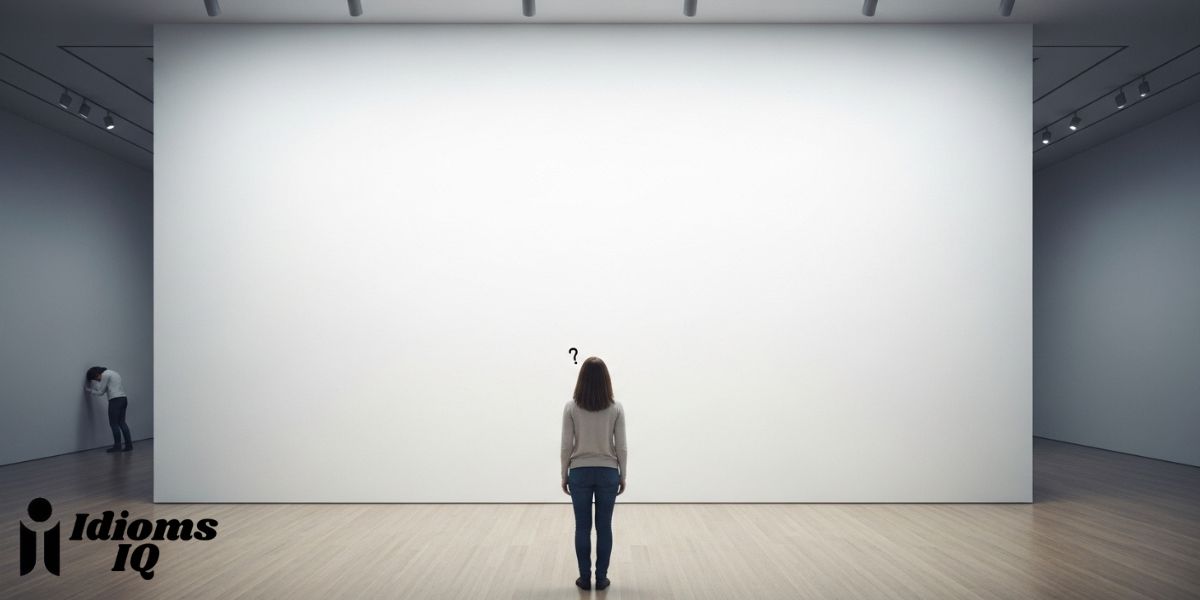
- Meaning: Extremely uninteresting or featureless.
- Use in a sentence: The seminar was about as interesting as a blank wall; I couldn’t wait for it to end.
- Other ways to say it: Extremely dull, utterly unstimulating, completely unengaging.
Fill-in-the-Blank Exercise
Complete the following sentences with the most appropriate idiom from the list above.
- The professor’s lecture on ancient pottery was so ______________ that several students nodded off.
- Watching the old clock tick minute by minute felt like ______________.
- The movie sequel was a total ______________; it had none of the excitement of the original.
- After years of doing the same job, she felt her work had become ______________.
- He complained that his life was just the ______________ every day.
- The new art exhibit was rather ______________, with very little originality.
- Trying to fix the broken printer was a real ______________; it took hours of frustration.
- The small town’s nightlife was pretty ______________; there wasn’t much to do.
- She found the endless paperwork for the project incredibly ______________.
- The comedian’s jokes were getting a bit ______________; he needed some fresh material.
- Without new ideas, the committee’s discussions felt like they were ______________.
- The plot of the mystery novel was so ______________ that I guessed the killer on page ten.
- His speech was so ______________ that it felt like he was reading from an old dictionary.
- The long bus journey through the flat countryside was quite ______________.
- The new coffee shop was pretty ______________; nothing special compared to others.
Answer Key
- dull as dishwater
- watching paint dry (or like watching grass grow)
- snooze-fest
- monotonous (or humdrum, routine)
- same old, same old
- uninspired (or lackluster, vanilla)
- drag (or chore)
- unexciting (or ho-hum, dreary)
- tedious (or wearisome)
- old hat
- going nowhere fast (or dead in the water)
- predictable
- dry as dust
- dreary (or humdrum)
- run-of-the-mill (or vanilla, nothing to write home about)
Conclusion:
Idioms are far more than mere linguistic embellishments; they are powerful tools that enrich our communication and deepen our understanding of the human experience. By engaging with these unique expressions, we not only enhance our vocabulary but also cultivate a more nuanced appreciation for cultural context and shared meaning.
Practicing the usage of idioms can significantly improve both our written and verbal communication, allowing us to convey complex ideas with greater clarity, conciseness, and impact. Furthermore, the process of deciphering and applying idioms sharpens our emotional intelligence, encouraging us to think beyond literal interpretations and connect with the underlying sentiments and observations they encapsulate. Embracing idioms is an invitation to explore the richness of language and, in doing so, to understand life in a more profound and insightful way.